What to check before trying a milder nicotine pouch
Choosing a new pouch is less about chasing the strongest option and more about matching the product to what you already know you tolerate. A milder choice can feel smoother, but the details still matter. Strength, size, flavour and nicotine release all shape how a pouch feels in use.
Adults aged 18 and over often compare products by strength and flavour because those are the details they can judge before trying something different. The trick is to read past the front of the tin and look at the practical differences that affect comfort, consistency and control.
Start with the stated strength
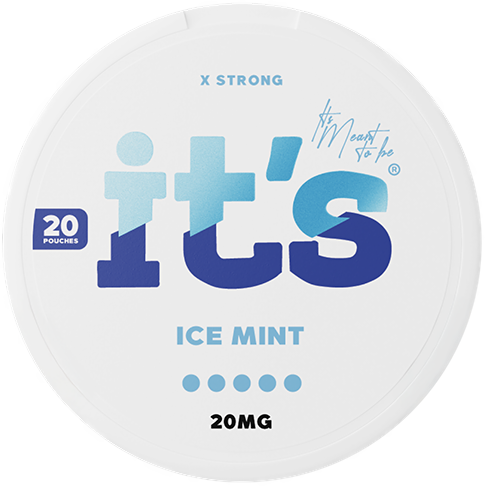
The first point to check is the nicotine content. It is usually shown in milligrams per pouch, sometimes alongside a strength rating. These numbers help put products in context, though they do not tell the whole story on their own. A pouch with a lower figure may still feel noticeable if you are sensitive to nicotine, while a higher figure may feel flatter than expected depending on release and placement.
If you are moving from one product to another, avoid treating strength labels as exact equivalents across brands. Formats differ, and each brand has its own way of presenting the same basic information. A sensible approach is to compare the stated figure, then give the new product time to settle into your routine before judging it.
Check the size and shape
Pouch size is easy to overlook, yet it affects comfort from the moment the pouch is placed under the lip. A slim pouch can feel less bulky and sit more discreetly. A mini pouch may be preferred by someone who wants the smallest profile, though the fit can feel different once the pouch is in place.
The right size depends on personal comfort rather than any universal rule. If you dislike a full feeling under the lip, start with a smaller format. If you find very small pouches awkward to position, a slim option may be easier to manage. Comfort matters because discomfort can make the whole experience feel harsher than the product really is.
Read the flavour description carefully
Flavour can influence whether a pouch feels fresh, sweet, sharp or understated. Descriptions such as mint, citrus, berry or tobacco are useful, but they are still broad labels. Some flavours taste bright at first and fade quickly. Others are subtler at the start but remain steady.
For a first try, a familiar flavour is often easier to assess than something unusual. If you already know you like cooler profiles, mint style options may feel more natural. If strong sweetness puts you off, look for descriptions that suggest a cleaner or drier taste. This keeps the comparison focused on strength and feel rather than a flavour surprise.
Think about tolerance and timing
Tolerance changes how any product feels. Someone who uses nicotine regularly may notice a gentle option less than someone who uses it occasionally. The same pouch can also feel different depending on timing, recent use and general sensitivity on the day. That is why first impressions should be treated as useful information, not a final verdict.
For adults comparing light nicotine pouches, it helps to try one pouch at a time and pay attention to how it feels over a reasonable period. Notice the early sensation, the middle part of use and the finish. If the pouch feels too mild, too strong, or uncomfortable, that feedback is more useful than simply deciding the whole category is not suitable.
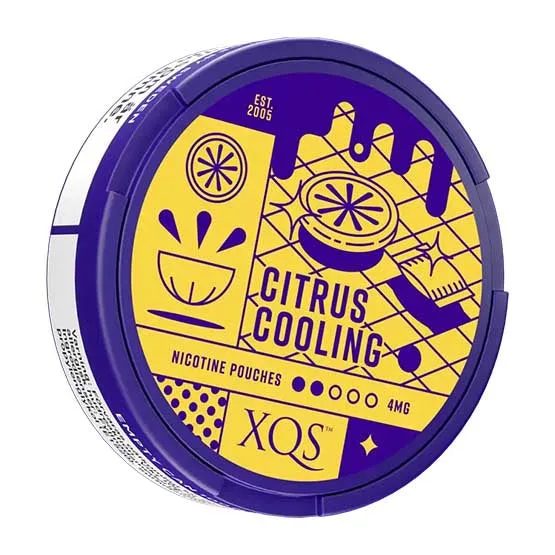
Nicotine release is another point to keep in mind. Two products with a similar nicotine content can feel different because the pouch material, moisture and flavouring affect how the nicotine becomes available. This is one reason a strength rating should be read as a guide rather than a promise. A slower release may feel steadier, while a quicker one may feel more immediate.
Practical points before you commit
There are a few simple checks that can make the first purchase more considered. They are especially useful when browsing a range organised by strength and flavour, where similar products can look alike at a glance.
- Nicotine content: Check the milligrams shown for each pouch, not just the brand name or flavour.
- Pouch size: Decide whether a slim pouch or mini pouch suits your comfort and preferred fit.
- Strength rating: Use the rating as a comparison point, but remember that brand scales are not identical.
- Flavour profile: Choose a taste you already understand if the aim is to judge strength clearly.
- Pack information: Read the tin or packet details for product specifics before making a final choice.
These points work together. A pouch that seems mild on paper may feel different if it releases nicotine quickly, and a comfortable size can make a product easier to assess. Looking at the full picture prevents a single detail from carrying too much weight.
How to compare without overcomplicating it
A clean comparison starts with one change at a time. If you know you like a certain flavour, keep the flavour similar while trying a different strength. If you are happy with the strength, compare pouch size or release instead. Changing everything at once makes it harder to know which detail caused the difference.
It also helps to note what you want from the pouch. Some people want a subtle option for occasional use. Others want a familiar routine with a little less intensity than before. Those goals point toward different choices, even when the products sit in the same broad category.
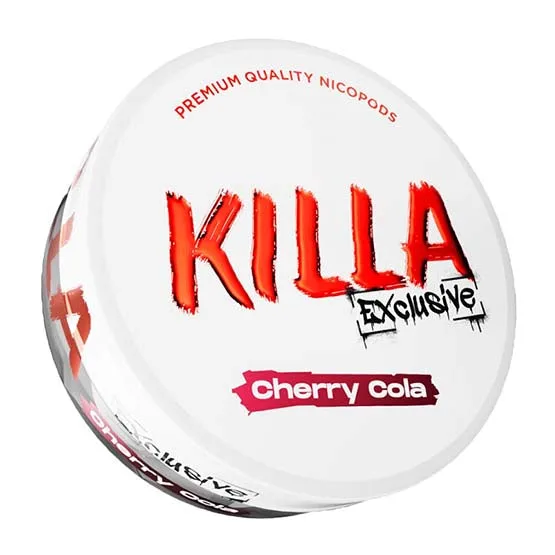
Light nicotine pouches can be a sensible comparison point for adults who want to step down from a stronger product or simply prefer a gentler option. The key is to stay attentive to the stated strength, the physical fit and the flavour, rather than assuming that one label will suit every situation.
None of these checks require special expertise. They just ask for a moment of attention before buying and a fair assessment afterwards. A new pouch does not need to be perfect on the first try. It needs to be suitable enough to understand, so the next choice can be made with clearer preferences and fewer surprises.